Full report
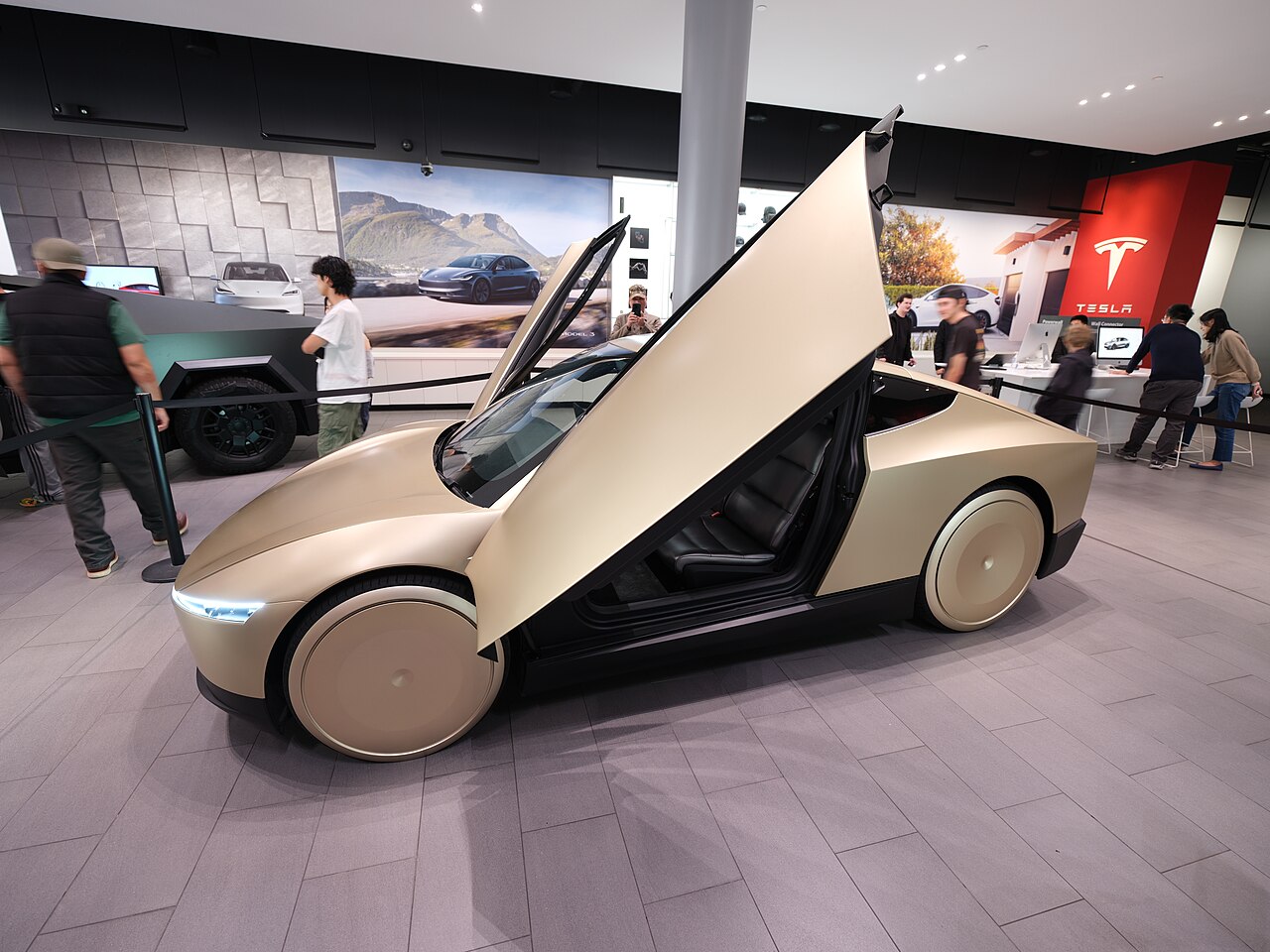
Tesla’s published Cybercab terms put a restriction in front of a familiar new-car purchase: window tint.
The Cybercab Autonomy Subscription Agreement includes tint and wraps among restricted modifications. It provides an exception for work through Tesla or a Tesla-authorized provider, subject to applicable law, and says a breach may result in subscription suspension.
For independent tint businesses, that is the immediate story. A new vehicle can attract interest without becoming a job that any shop is free to accept under its ownership terms.
Reporting checked November 15, 2026 (UTC), against Tesla’s agreement version 20261112.
The exception matters, but it is not an available appointment
Describing the policy as an absolute ban on every possible tint installation would leave out the authorized-provider exception.
Describing that exception as proof that Cybercab tinting is available would go too far in the other direction.
The public documents reviewed for this report did not establish a Cybercab-specific tint offering, eligible provider list or approved selection of films and shades. Those details would be necessary before a shop could responsibly advertise such a service.
Experience tinting other Teslas does not answer the authorization question. Neither does a film brand’s installer certification on its own.
What consequence does Tesla actually state?
The modification clause identifies possible subscription suspension. It does not state a monetary fine for window tint.
That distinction should survive the headline. A penalty mentioned elsewhere in coverage of vehicle ownership should not be attached to a tint job unless the relevant terms actually do so.
The agreement also says the vehicle requires an active autonomy subscription to operate. That makes a possible suspension a material ownership issue, even without adding an unsupported fine or claiming every breach triggers the same outcome.
This article reports what Tesla published. It does not determine how a particular contractual dispute would be resolved.
Tesla already works with a tint installer network
There is another fact that makes the industry picture more interesting than a simple statement that Tesla rejects aftermarket film.
Tesla has a public XPEL window tint program. It describes a process involving the Tesla app, XPEL products and certified installers. The Tesla shop page says not all XPEL locations participate and that both companies receive proceeds from purchases through that offering.
That is a documented example of a vehicle manufacturer directing tint customers into a partner channel.
It is not confirmation that Cybercab is eligible. The public pages reviewed do not resolve that model-specific question. The program also should not be described as blanket authorization for every certified installer to modify every Tesla.
For a shop owner, the distinction is significant: work could remain available to some participating businesses while the manufacturer influences where the customer starts and which businesses receive the opportunity.
The self-driving tint appointment gets ahead of the facts
The idea of a Cybercab taking itself to a tint shop is easy to picture. It also skips the question of whether that shop may perform the work.
Tesla’s agreement describes an autonomous, unoccupied trip to a Tesla service center for service, or transportation when needed. That is a specific service arrangement. It does not establish a route to an independent tint business, a film installation booking or permission for a modification.
The supported story today is about Tesla’s service process and modification terms. An independent tint appointment would need its own documented basis before it could be presented as an available feature.
The rule is specific to the vehicle and agreement
Readers should not turn this into a claim that every Tesla, or every autonomous vehicle, has the same aftermarket policy.
Cybercab and a Model Y used in Robotaxi service are different vehicles. A customer’s existing Model Y tint experience does not establish a Cybercab option, and Cybercab’s agreement should not be casually applied to every privately owned Model Y.
Our model comparison explains why that distinction matters.
State and federal requirements are another part of the picture. Permission under the agreement would not replace the legal requirements for the proposed work. A familiar legal tint percentage would not replace Tesla’s provider condition either. The Cybercab tint-law article covers those separate issues.
A bigger question for the tint industry
If vehicles with this kind of modification policy become common, the effect on tint businesses may depend less on how many passengers want shade and more on who is allowed to provide it.
Some customers could be directed toward a manufacturer’s partner network. Some comfort features could arrive as part of the vehicle. A commercial operator might make decisions for an entire group of vehicles rather than leaving them to individual passengers.
Those are possible developments, not a forecast that Cybercab will take over or that independent shops will disappear. They are worth examining because the current agreement makes access to the work a real issue.
Our industry analysis explores those possibilities in detail. For now, the useful next announcement would identify an actual Cybercab offering and its scope. Until that exists in verified form, a tint headline should explain the restriction before inviting readers to imagine the installation.
Dates, context & legal notes
Sources & reporting notes
- Tesla Cybercab Autonomy Subscription Agreement www.tesla.com
- Tesla XPEL window tint support www.tesla.com
- Tesla XPEL window tint product page shop.tesla.com
This article is an original, AI-assisted summary of the sources above. It does not claim firsthand reporting or independent product testing. Our editorial standards · Corrections policy