Full report
A photograph of a tinted Tesla can look like an answer to the question “Can you tint a Cybercab?” It may actually show a different vehicle, under different terms.
That matters now that Tesla’s Cybercab agreement restricts modifications such as tint and wraps. The first step in understanding the story is knowing which vehicle the story is about.
Cybercab is a particular vehicle. Robotaxi describes a service that can involve more than one vehicle model. Tesla’s Cybercab FAQ explicitly discusses Cybercab and Model Y Robotaxi vehicles separately.
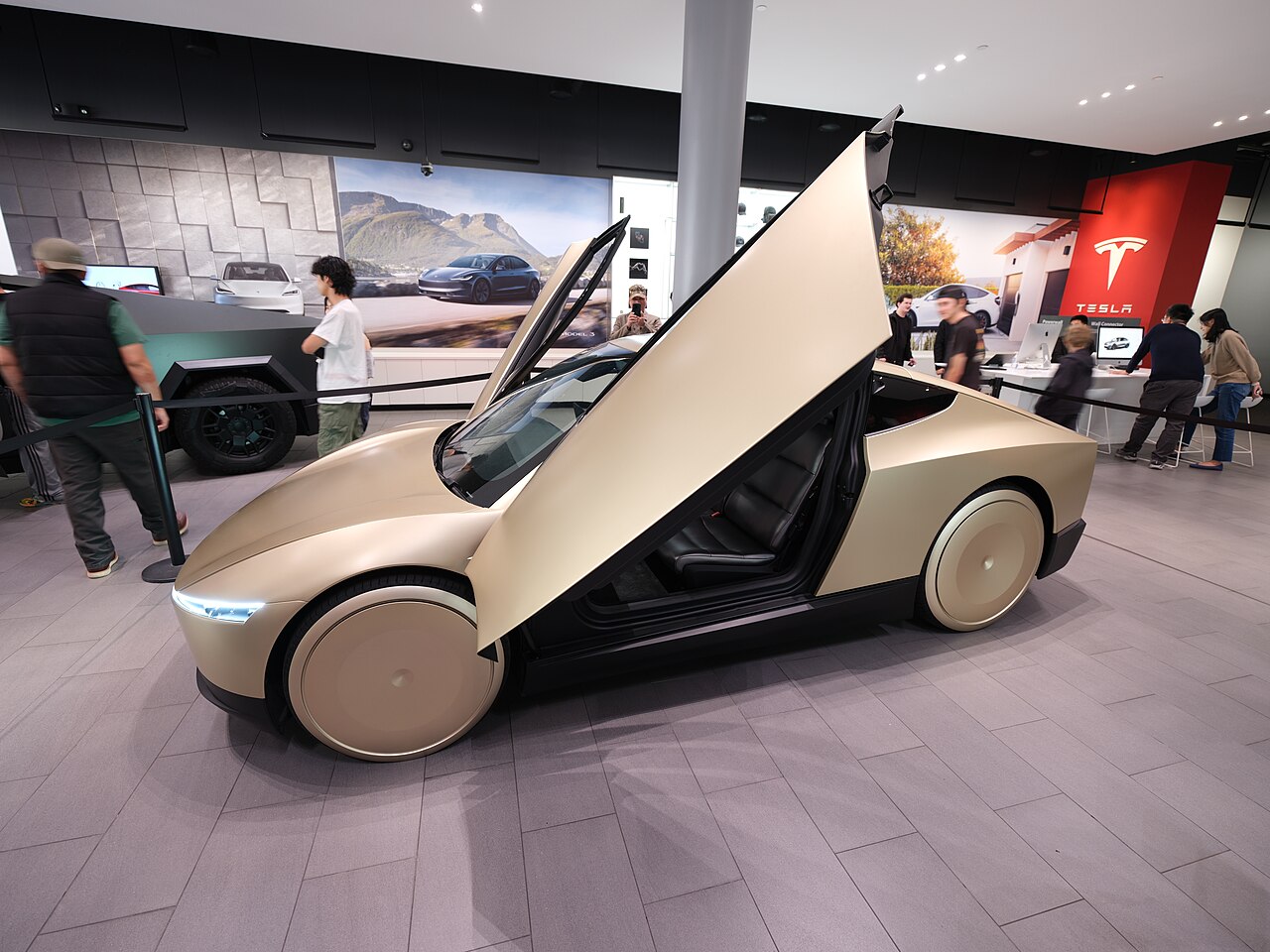
Cybercab is the two-seat vehicle without a steering wheel
Tesla describes Cybercab as a two-seat vehicle with butterfly doors and no steering wheel. That is the vehicle covered by the Cybercab Autonomy Subscription Agreement discussed in our tint reporting.
Its modification restriction has a Tesla or Tesla-authorized-provider exception, subject to applicable law. We have not verified a public Cybercab-specific tint offering from the sources reviewed.
The absence of a steering wheel makes Cybercab unusual. It does not turn a photograph, a generic film recommendation or a legal tint percentage into authorization for an installation.
A Model Y Robotaxi is still a different model
Tesla publishes a separate Model Y owner’s manual. The fact that a Model Y can appear in Robotaxi service does not make it a Cybercab.
For someone comparing online posts, that is an easy detail to miss. The word Robotaxi may be prominent in a caption while the actual model is barely mentioned.
A tint installation on a privately owned Model Y can be a real, useful example of work on that car. It is not evidence that the same film, coverage, provider or permission applies to Cybercab.
The reverse matters too. Reporting a Cybercab restriction does not establish that every privately owned Model Y is governed by that same agreement. Rules should be tied to the actual vehicle, use and applicable documents.
Tesla’s XPEL program does not erase the distinction
Tesla has a general XPEL window tint program. That is relevant evidence when discussing how Tesla works with film installers.
It does not establish that every Tesla model is eligible for every service. The public program pages reviewed did not confirm Cybercab eligibility.
Imagine a customer sees a program advertisement beside an article about Cybercab. It would be understandable for the customer to connect the two. The publication should not make that connection for them without model-specific support.
The same care applies to a shop’s credentials. A film manufacturer can recognize an installer’s training or participation. Whether that provider is permitted to perform particular work on a Cybercab is a separate question.
Personal ownership and commercial use need their own context
The name Cybercab may suggest that every privately purchased example can immediately earn money carrying paying passengers. The personal-use agreement does not establish that.
It limits commercial-platform use unless Tesla authorizes it in writing or enables it through the product. Tesla’s FAQ separately accepts inquiries about commercial purchases. An inquiry form is not a published commercial contract or permission to modify a vehicle.
This matters for tint-industry reporting. A proposed fleet contract, an individual owner’s car and a vehicle operated in Tesla’s service are not interchangeable business opportunities.
If a future operator buys protection or comfort upgrades for a group of vehicles, the relevant permissions and purchase process would need to be established for that arrangement. We should not describe a private buyer’s Cybercab as an available fleet-tint customer just because the vehicle can drive itself.
The name also does not make it a Cybertruck
Cybercab and Cybertruck share part of a name. That does not establish shared body panels, glass, installation patterns or modification options.
For paint protection questions, the actual exterior construction and permitted work matter. Our Cybercab PPF guide explains why neither a familiar product nor a similar model name settles the answer.
This is a useful habit for reading any new-car coverage: match the claim to the exact vehicle before applying it to the one you are researching.
What a useful installation story would tell you
If an article eventually reports an authorized Cybercab film installation, it should identify Cybercab clearly, show the actual work and explain the basis for the service being offered.
Readers should be able to tell whether photographs show a real installation, a display vehicle or a concept illustration. Those can all serve an editorial purpose, but they answer different questions.
A picture of dark glass alone cannot identify the product, the finished light transmission, the provider’s authorization or the relevant legal position.
Until a specific Cybercab offering is verified, the most useful coverage explains the current restriction and the information still missing. Our report on Tesla’s published rule provides that starting point.
Keeping the models straight also makes the future discussion more useful. One vehicle’s terms can raise a serious industry question without becoming a claim that every Tesla or every autonomous car will follow the same path.
Dates, context & legal notes
Sources & reporting notes
- Tesla Cybercab FAQ www.tesla.com
- Tesla Cybercab Autonomy Subscription Agreement www.tesla.com
- Tesla XPEL window tint support www.tesla.com
- Tesla Model Y owner’s manual www.tesla.com
This article is an original, AI-assisted summary of the sources above. It does not claim firsthand reporting or independent product testing. Our editorial standards · Corrections policy